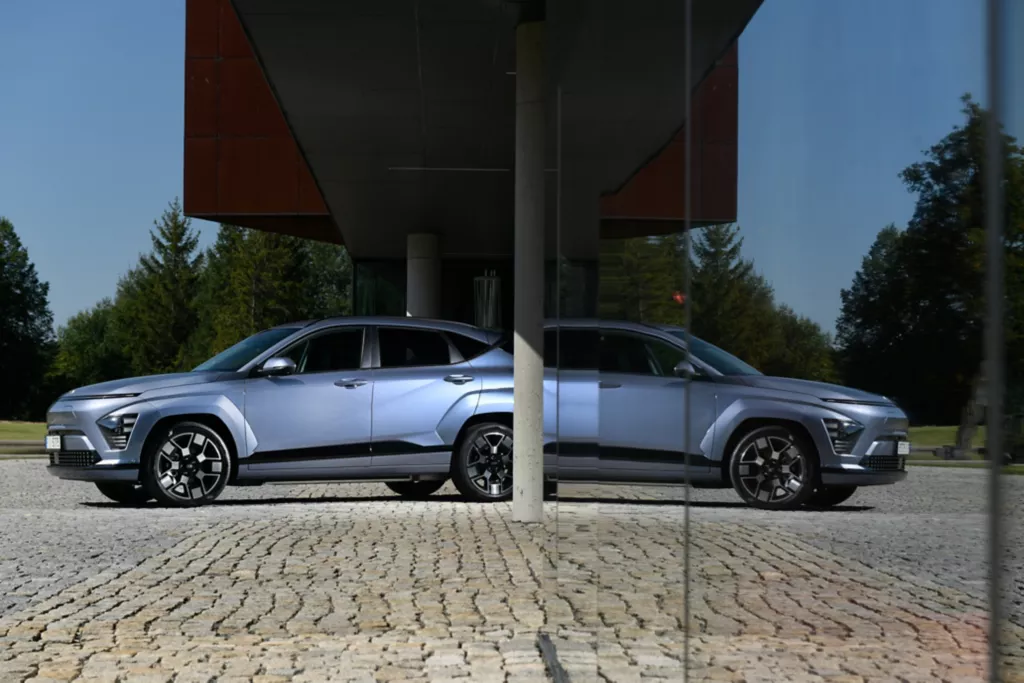
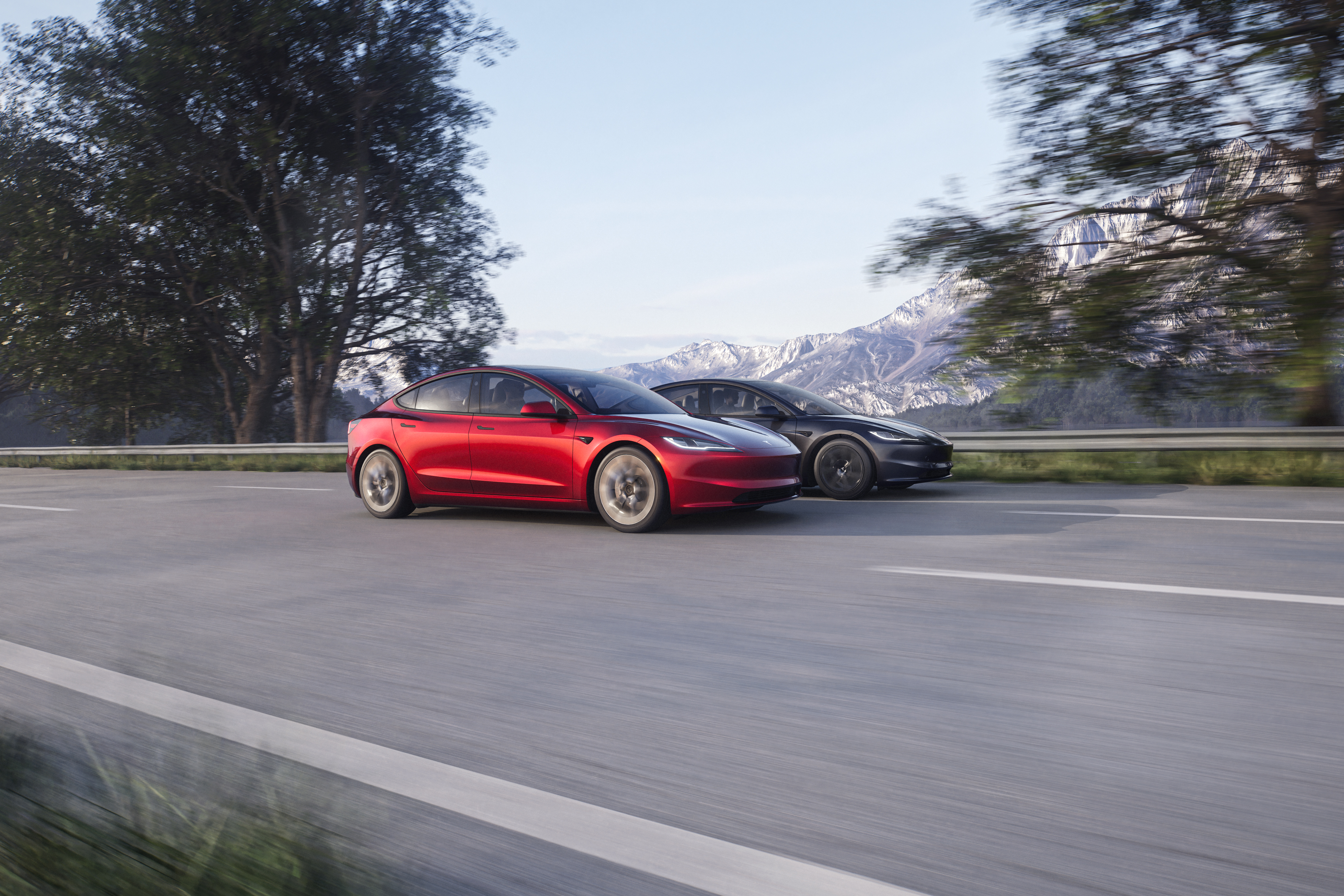
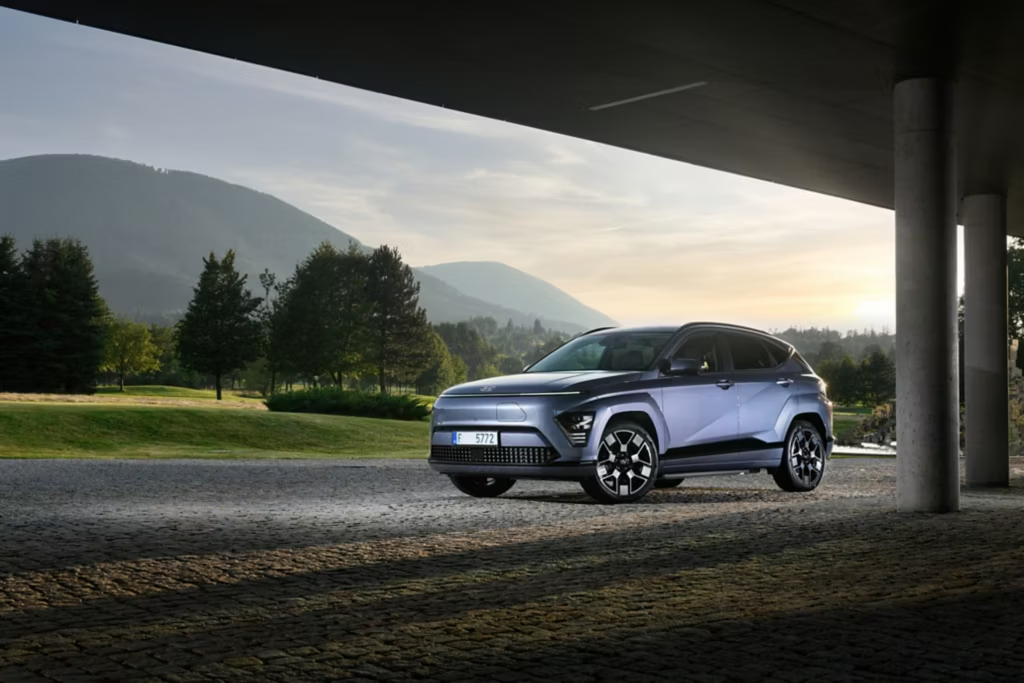
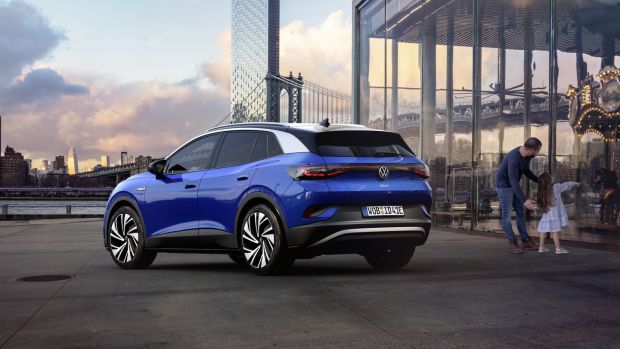
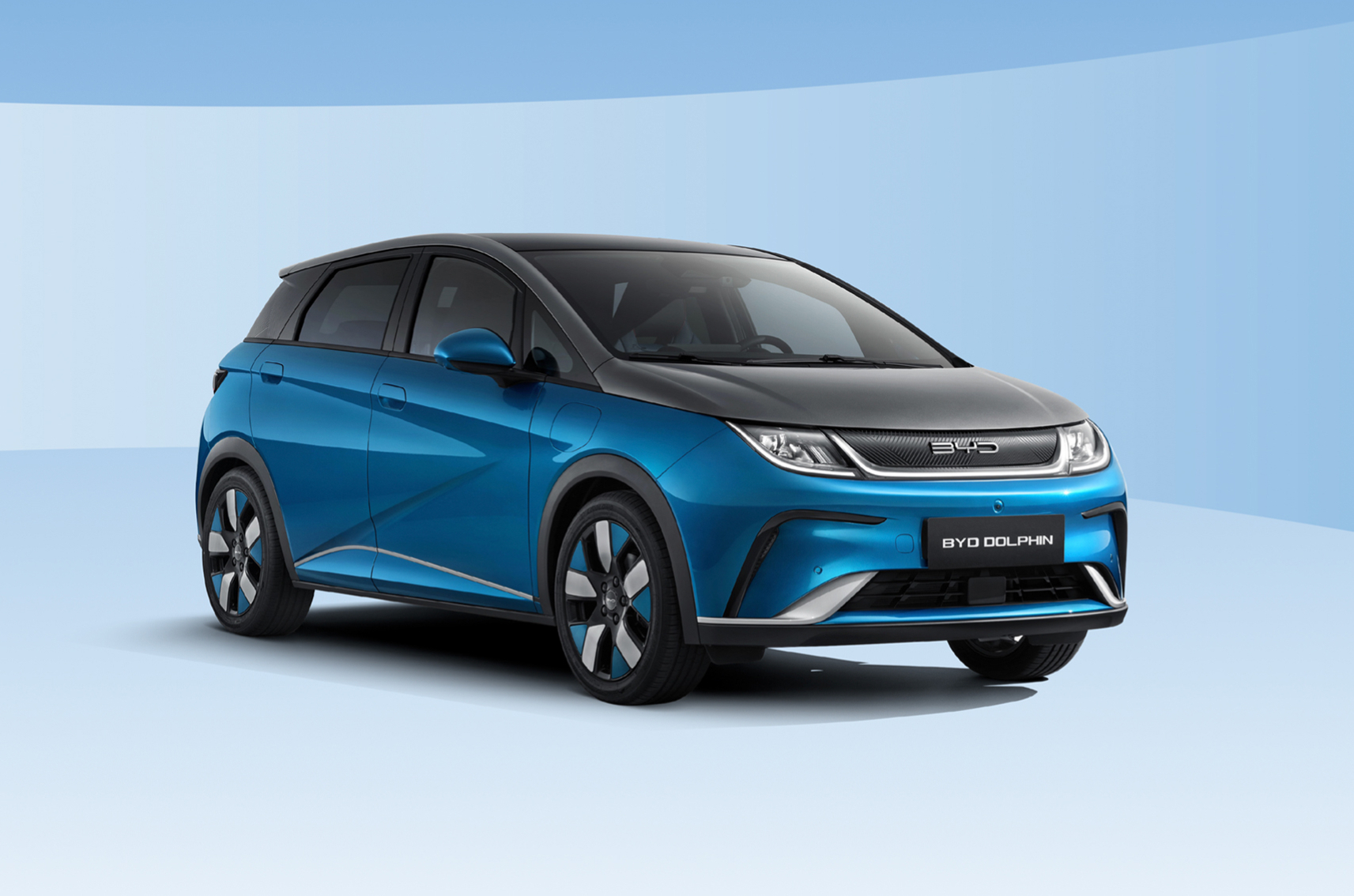
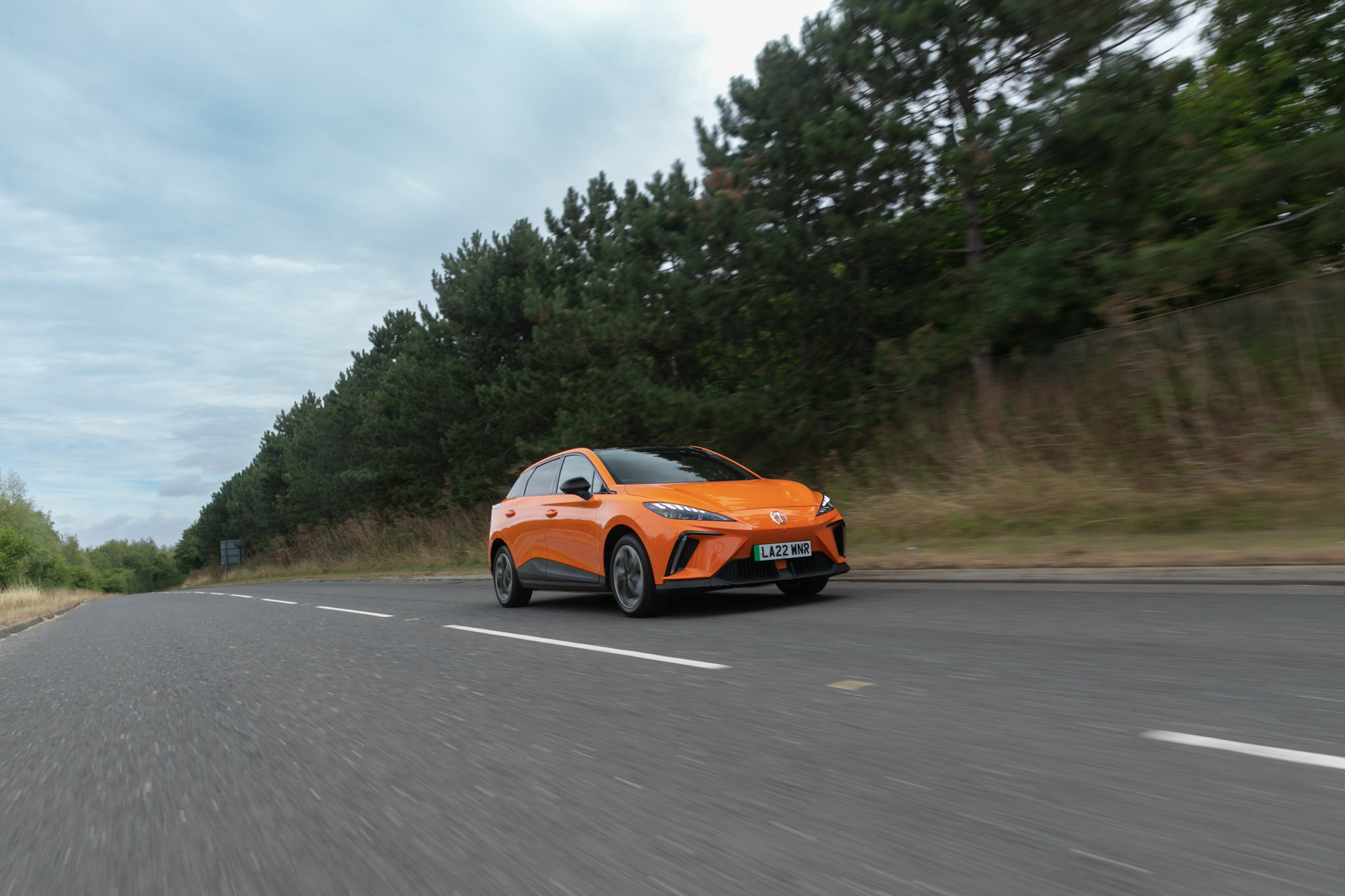
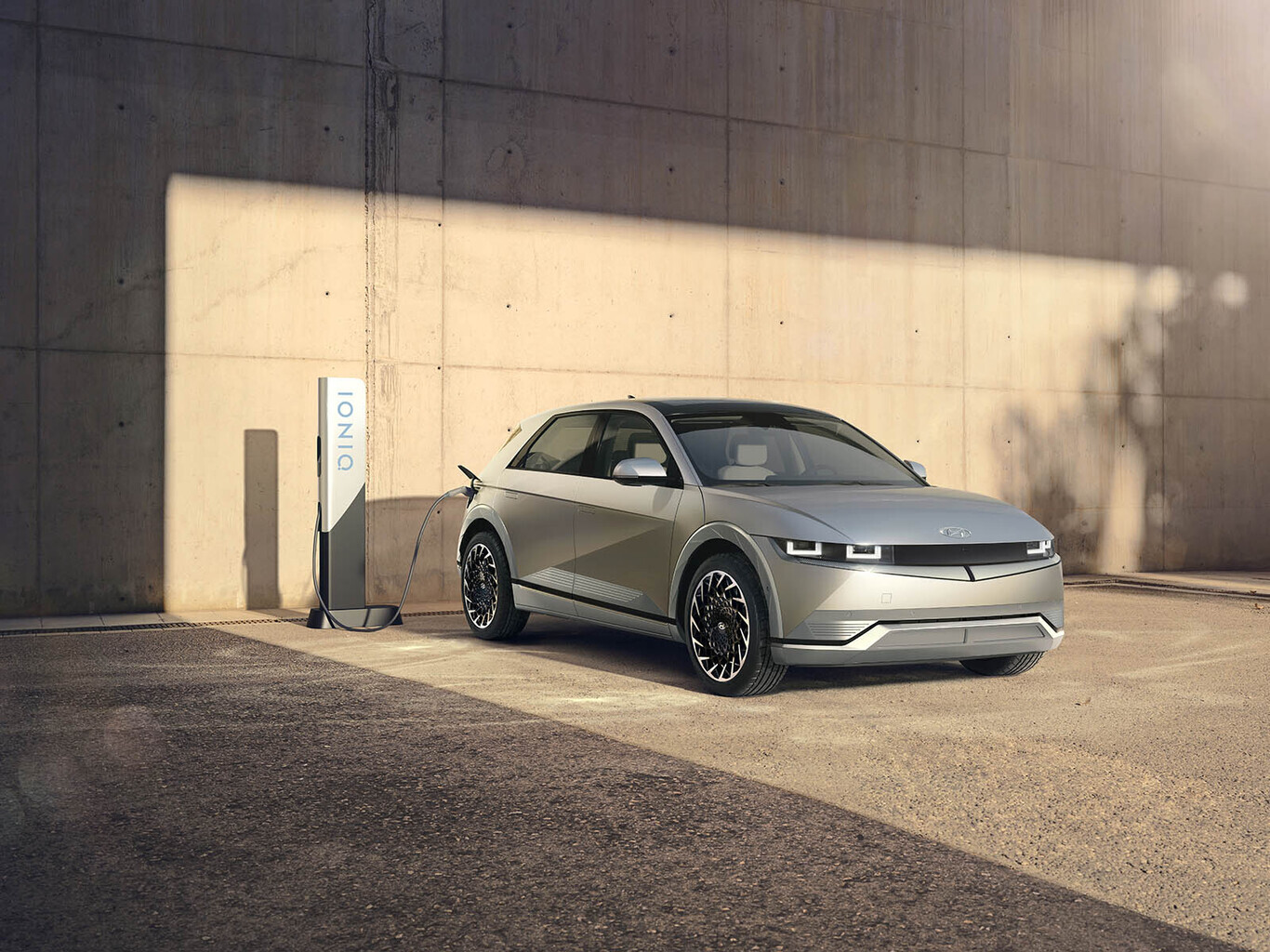
Q1 - Q3 2023 Checking in on the year so far, for January - September 2023, plug-in vehicles accounted for 26.7% of all new cars registered in the period, comprised of: 21,705 (18.3%) BEVs, and; 9,989 (8.4%) PHEVs. BEV numbers are up 50% on the same period last year (14,510), while PHEV numbers are up 34% (from 7,438). Interestingly, non-plug-in petrol hybrids registrations for the period (22,059) only exceed BEVs by 354 - it seems likely that BEV registrations will overtake them by year end. Additional registrations from used imports during the period accounted for a further: 1,553 BEVs, and; 3,241 PHEVs. The top-5 registered new BEVs for January - September 2023 were: Volkswagen ID.4 Tesla Model Y Hyundai Ioniq 5 Skoda Enyaq MG MG4 September Plug-in vehicles accounted for a third (38.5%) of all new cars registered in September comprised of: 1,491 (26.3%) BEVs, and; 692 (12.2%) PHEVs. Additional registrations from used imports in September accounted for a further: 185 BEVs, and; 381 PHEVs. The top-3 registered new BEVs in September were the: Tesla Model Y Tesla Model 3 Volkswagen ID.4 Presented below is a complete breakdown of new BEVs registered in September, January - September, and registrations for the prior year: Make Model Sept 2023 % sales Sept 2023 2023 (Jan - Sept) % sales 2023 (Jan - Sept) 2022 (Jan - Dec) % sales 2022 (Jan - Dec) Tesla Model Y 228 15.3% 1,943 9.0% 274 1.7% Tesla Model 3 174 11.7% 1,015 4.7% 1,044 6.7% Volkswagen ID.4 107 7.2% 2,863 13.2% 2,983 19.0% MG MG4 84 5.6% 1,060 4.9% Cupra Born 78 5.2% 634 2.9% 126 Skoda Enyaq 67 4.5% 1,219 5.6% 620 4.0% Kia EV6 67 4.5% 902 4.2% 955 6.1% BYD ATTO 3 62 4.2% 456 2.1% Volkswagen ID.3 49 3.3% 783 3.6% 924 5.9% Kia Niro 47 3.2% 697 3.2% 657 4.2% Peugeot 2008 43 2.9% 296 1.4% 321 2.0% Fiat 500 37 2.5% 126 134 Polestar Polestar 2 30 2.0% 289 1.3% 123 Peugeot 208 26 1.7% 203 245 1.6% BMW iX3 26 1.7% 267 1.2% 207 1.3% Audi Q4 e-tron 25 1.7% 590 2.7% 202 1.3% MG ZS 25 1.7% 255 1.2% 189 1.2% Volkswagen Up 24 1.6% 152 Mini Mini Hatch 23 1.5% 257 1.2% 226 1.4% Volvo XC40 21 1.4% 411 1.9% 389 2.5% BMW I4 19 1.3% 511 2.4% 235 1.5% Citroen C4 17 1.1% 80 84 Opel Corsa 17 1.1% 64 115 BMW I5 17 1.1% 17 Hyundai Kona 16 1.1% 710 3.3% 683 4.4% Hyundai Ioniq 5 14 1,239 5.7% 1,165 7.4% MG MG5 14 188 219 1.4% Toyota BZ4X 13 639 2.9% 140 BMW iX1 12 149 Audi Q8 e-tron 11 101 Ford Mach-E 10 79 84 Volkswagen ID.5 8 311 1.4% 233 1.5% Porsche Taycan 8 183 109 Renault Megane 7 540 2.5% 18 Mercedes-Benz EQA 6 90 196 1.3% Jaguar I-Pace 5 64 111 Hyundai Ioniq 6 5 336 1.5% Opel Mokka 5 211 107 Nissan Ariya 4 105 60 Audi E-Tron GT 4 100 63 Mercedes-Benz EQE 4 167 41 Mercedes-Benz EQS SUV 4 26 Jeep Avenger 3 11 BMW iX 3 130 209 1.3% Nissan Leaf 3 435 2.0% 877 5.6% Opel Zafira 3 11 5 BMW 4 Series 2 3 BMW 7 Series 2 31 6 Citroen Berlingo Pass 2 30 23 Volvo C40 2 139 89 Mercedes-Benz EQB 2 116 135 Audi E-Tron 1 33 244 1.6% Mercedes-Benz EQE SUV 1 16 Peugeot Rifter 1 9 2 Subaru Solterra 1 31 Citroen Space Tourer 1 20 16 Renault Zoe 1 179 311 2.0% Fiat 500C 15 Mercedes-Benz AMG 5 2 Opel Combo Pass 7 2 DS DS3 10 7 Mercedes-Benz E Class 1 Citroen EC4X 1 Mercedes-Benz EQC 15 45 Mercedes-Benz EQS 55 68 Mercedes-Benz EQV 5 1 Peugeot Expert 3 16 Ora Funky Cat 30 2 Honda Honda E 16 36 BMW I3 21 Hyundai Ioniq 120 Maxus MIFA 7 Tesla Model S 2 Tesla Model X 4 Mazda MX 23 71 Kia Soul 60 Opel Vivaro Passenger Van 12 Total 1,491 21,705 15,678 Source: SIMI Motorstats *SIMI numbers reported may include a number of miscategorised, or re-categorised, registrations.
The first Tesla Owners Ireland Humanitarian Convoy left late March for Poznań (Poland), returning with 94 Ukrainian refugees and 9 of their pets. A second convoy left May 5th, to return with 40 Ukrainian refugees and 22 of their pets; the number of vehicles in the convoy was reduced owing to the limited number of ferry places available. Of those volunteering to participate, for some it would be their first time going, for others their second. Meet the drivers Day 1 Early Thursday morning we travelled from across Ireland to meet at Dublin Port at 06:30 to board an Irish Ferries ship bound for Holyhead (Wales) at 08:00, liberally applying Colin’s “Ireland – Ukraine Humanitarian Convoy” stickers to our vehicles prior to boarding, along with disabling Tilt / Intrusion lest our car alarms activate, repeatedly, during the crossing. “Ireland – Ukraine Humanitarian Convoy” stickers Our itineraries indicated our end of day destinations (and suggested charging locations), though owing to variances in vehicles, batteries, and driving styles, it would essentially be down to each individual driver to decide how to do it – this typically translated to, enter the destination into your navigation and let Tesla figure out where to charge. Disembarking at 11:30 in Holyhead, I set my Model 3 Long Range’s navigation to our next port of call, Harwich International Port (England) (550km away), with a number of us also enabling location sharing in Google Maps so we could see where other convoy members were. 20 minutes later I was on the North Wales Expressway (A55), and with Autopilot enabled, could relax a bit. With a choice of three Supercharger sites in Stoke-on-Trent, I opted for the faster Trentham Supercharger (8 stalls, 250kW). Meeting Tom there though having failed to secure coffee, I was back on the M6 at 80% having charged for 20 minutes. Trentham Supercharger Some 300km later at 17:45 I arrived at the Colchester Supercharger. With 12 150kW stalls available, this site could easily accommodate the entire convoy, and was our best opportunity for charging up prior to boarding in Harwich International Port (45km away). Colchester Supercharger With most of us on-site and charged up by 19:00, we set off to the Wooden Fender for dinner, subsequently boarding our Stena Line ship to Hook of Holland (Netherlands) at 21:30, which set off at 23:00. Stats for Day 1 Driven 715km Total Energy Consumption 113kWh Average Energy Consumption 158Wh/km Day 2 We disembarked at 08:30, destined for the City Park Hotel & Residence in Poznań (950km away) where we would collect our Ukrainian refugees and their pets the following morning. Having never actually driven on the continent before, it was quite a relief to find myself eased into it with a well segregated road, and back onto a motorway shortly thereafter. Autopilot excelled here, suggesting and performing lane changes for overtaking, and taking exits, and so I arrived at 10:45 at the Hengelo Supercharger (16 stall, 250kW) unfazed by the shift from right-hand to left-hand driving. Hengelo Supercharger 30 minutes later, and a quick chat with John, the car was back up to 90%, and I continued on into, and across, Germany. As before, I let Autopilot do its thing on the Autobahn – resisting the urge to see how fast I could really go, and paying attention to the variable speed limits which I gathered could be somewhat problematic for Speed Assist to recognise. Having now driven a further 350km I stopped at the Irxleben Supercharger (12 stall, 250kW) where I learned that pay-per-use toilets are a thing… luckily I had some Euros with which to make change. Robert arrived as I was preparing to leave, and having charged from 11% to 86% in 30 minutes, was back on the road again at 15:00 – 410km still to go. After a further uneventful, or so I thought, 90 minutes I pulled into the Blankenfelde-Mahlow Supercharger (8 stall, 150kW). With Poznań only 250km away a quick 5 – 10 minute charge for peace of mind would suffice, as there would be no other Superchargers from here to Poznań. John (an other John) and a member of Tesla Owners Netherlands were here (who was also headed to the City Park Hotel & Residence to collect Ukrainian refugees). Blankenfelde-Mahlow Supercharger It’s around this time that we became aware a vehicle had failed, not an electric vehicle mind you, a Toyota van intended for transporting luggage, etc.. Our support team worked away on sourcing an alternative. Not 10 minutes passed and I was back on the road again. It’s in Poland I encountered my first toll booth, necessitating exiting the car to run around, retrieve a ticket, and send a quick message asking if anyone knows what I’m supposed to do with it; 130km later, turns out that it’s to hand it in at the next toll booth and pay. Finally, at 19:25 I arrived at the City Park Hotel & Residence in Poznań, down to 6%. The Poznań Supercharger (6 stalls, 150kW) is quite literally located opposite the hotel entrance, and with members of both Tesla Owners Ireland and Netherlands charging, a bit of a queue formed… though not a long one, 10 minutes later I was plugged in and checking in, returning to move the car at 90% at 20:20. Poznań Supercharger With our passengers not set to start arriving until 06:30 we’d some time to rest, relax, and prepare. Stats for Day 2 Driven 966km Total Energy Consumption 157kWh Average Energy Consumption 162Wh/km Day 3 The day began with a bang, or almost did, as I managed to throw my arm out onto the floor to stop my fall from the bed whilst calling out (sorry John). An early morning walk ensued to check out the area, popping into a Biedronka (discount supermarket) at 06:30 for some essential food and water for the journey while we awaited the arrival of our guests. With a limited number of taxis on duty, groups arrived in intervals over the following hour, were introduced to their driver, their luggage loaded up (an alternative van and driver having been secured), and set off for Valenciennes (France) (1,100km away). With varying levels of English, communication was aided by a variety of translation apps, and I loaded up Google Translate on the car’s browser. Google Translate My passengers (Vladimir, Hanna, and Katerina) having arrived, we set off at 07:35, stopping some 300km later at the Beelitz Supercharger (14 stalls, 150kW) where we dug into the large breakfast packs the hotel had kindly provided us with. 40 minutes later the car was back at 90%, and we departed at 10:50. Beelitz Supercharger Having not entirely learned my lesson on the drive to Beelitz by drinking a 700ml bottle of water early into the drive, I proceeded to drink another 700ml bottle of water after waiting what seemed a sufficient length of time, nevertheless springing out of the car on arrival at the Bad Oeynhausen Supercharger (12 stalls, 250kW) at 13:30 (Range anxiety? No. Bladder anxiety? Yes). It’s also here that Vladimir was able to temporarily reunite with his wife and daughter (Iryna and Alina), and their dog Sam. A little over halfway there now (600km), we once more set off again at 14:15. Having now given up on water, we proceeded on towards Cologne, intending to stop at the Frechen Supercharger. However, with the construction in the area not in sync with the navigation I took the wrong exit… then missed the exit on the second attempt. Rather than waste further time on a third attempt I redirected to the Erftstadt Supercharger some 20 minutes away (28 stalls, 150kw / 250kW). After a quick walk for refreshments, we were once more back on the road 25 minutes later at 17:20 at 86%. Erftstadt Supercharger Beyond encountering heavy rains and traffic passing through Belgium, the remainder of the drive was otherwise uneventful, and we finally arrived, 280km later, at the Hôtel ibis budget Valenciennes at 20:15. Stats for Day 3 Driven 1,153km Total Energy Consumption 203kWh Average Energy Consumption 176Wh/km Day 4 Waking before 06:00, I moved the car onto the Valenciennes Supercharger (10 stalls, 150kW) some 200 metres away. 40 minutes later, having had time to shower and pack up, I returned to the car at 90% and was ready to collect my passengers, setting off at 07:00 for Cherbourg Port (500km away). Clearly not too impressed by my Spotify playlist (largely film soundtracks) from the day before, local radio was searched to find “music normal”. Having someone in the front passenger seat greatly aided with the abundance of tolls in France. Several of us made a quick stop at the Rouen Supercharger (12 stalls, 150kW / 250kW), and 15 minutes later were back on the road at 09:40. 125km later we arrived at the convoy’s final charging destination at 10:55, the Caen Supercharger (12 stalls, 150kW), with Cherbourg Port a mere 130km away. In no particular hurry this time and with most of the other drivers arriving here too, myself, Hanna, and Katerina went off to McDonald’s for breakfast, then went off for our own walks, or to talk with the others. Caen Supercharger We departed at 11:50, following Robert’s lead, which also saved me from following navigation’s odd recommendation to take the Rte de la Brûlette several minutes from Cherbourg. With the steep decline on the descent into Cherbourg, I noted with some amusement the signs advising us to “Use your engine braking“. We arrived at Cherbourg Port at 13:05 with our 40 Ukrainians and 22 of their pets. Arrival at Cherbourg Port Stats for Day 4 Driven 506km Total Energy Consumption 96kWh Average Energy Consumption 189Wh/km Day 5 We disembarked into Dublin Port at 10:45 where we met with a variety of organisations, including Revenue, Gardai, and Irish Red Cross. Initial processing completed, we said our farewells as they were transported off to other facilities, whereas we headed on home. Stats for Day 5 Driven 150km Total Energy Consumption 29kWh Average Energy Consumption 192Wh/km Summary 5 Days of Driving Driven 3,489km Total Energy Consumption 597kWh Average Energy Consumption 171Wh/km Total Supercharging Cost €238.78 Donations towards funding future humanitarian convoys can be made here. Additional reporting on this convoy by Ronan McGreevy is available on The Irish Times and Twitter.